

Almost everyone in Indonesia has heard someone say, ‘I think I have tipes.’ A friend has a fever that will not go away, a cousin spent a week in bed, a coworker came back from the doctor with a blood test slip. The word comes up in family chats all the time, yet many people are not sure what it really means.
This guide explains it in plain words. We use official sources: the World Health Organization, the US Centers for Disease Control and Prevention, the UK National Health Service and the Indonesian Ministry of Health. We describe what tipes is, how it spreads, what the symptoms look like, how doctors diagnose and treat it and how to lower your risk.
A clear note before we start. This article is general information, not medical advice. It cannot tell you whether you or your child has tipes. If you have a fever that lasts, or you feel very ill, see a doctor. We do not recommend any medicine or dose here, because that decision belongs to a health professional who can examine you.
Key Takeaways:
- Tipes is the everyday Indonesian name for typhoid fever, which the Indonesian Ministry of Health page on tipes describes as an infection caused by the bacterium Salmonella Typhi.
- It usually spreads through contaminated food or water, according to the WHO typhoid fact sheet.
- The most common symptom is fever, and the CDC page on typhoid symptoms says people with symptoms should get medical help immediately.
- Typhoid can be treated with antibiotics, but the WHO notes that growing resistance is making treatment more complicated.
- Safe water, good sanitation, careful food hygiene, handwashing and vaccination all help prevent it.
What Tipes Means and What It Does Not
Words matter with health. If you search for tipes, you will see several names: tipes, tipus, thypoid, typhus, typhoid. Some of these are the same illness and some are not. Let us sort them out first.
Tipes is typhoid fever
The Indonesian Ministry of Health’s page on the topic says that typhoid fever, also known as tipes, is a disease caused by infection with the bacterium Salmonella Typhi. It can affect many organs in the body and may cause serious complications if not treated promptly. In its definition, the Ministry calls it a bacterial infection that can spread through the body and affect various organs, and says it can be fatal without prompt treatment.
The WHO fact sheet calls typhoid fever a life-threatening infection caused by Salmonella Typhi, usually spread through contaminated food or water. After the bacteria are swallowed, they multiply and spread into the bloodstream. The WHO also notes that Salmonella Typhi lives only in humans, so the bacteria come from other people, not from animals.
Typhoid is not the same as typhus
Here is where the confusion starts. In Indonesian, people sometimes say tipus for both. The CDC explains that typhus fevers are a different group of diseases, caused by bacteria spread to humans by fleas, lice and chiggers. They include flea-borne typhus, epidemic typhus and scrub typhus. Typhoid fever, on the other hand, is caused by Salmonella Typhi and is spread through contaminated food and water. The names look alike, but the germs, the routes of spread and the treatment are different.
| Typhoid fever (tipes) | Typhus fevers | |
|---|---|---|
| Cause | Salmonella Typhi bacteria | Bacteria spread by fleas, lice or chiggers |
| Usual way of spreading | Contaminated food or water | Bites or contact with infected insects |
| Main early sign | Fever, often lasting several days | Fever, headache, sometimes rash |
| Source | WHO, CDC, Ministry of Health | CDC |
If a doctor tells you that you have tipes, it almost always means typhoid fever. If you are unsure, ask the doctor what diagnosis the test showed and how it was confirmed.
Paratyphoid fever
The CDC overview also describes paratyphoid fever, caused by Salmonella Paratyphi, which has similar symptoms. The Indonesian Ministry of Health page says the illness is caused by Salmonella Typhi or Salmonella Paratyphi A, B or C. In everyday talk, people often lump the two together under tipes.
How common is it
The WHO says that as of 2019 estimates, about 9 million people get sick from typhoid and 110,000 people die from it every year. The CDC puts the number of illnesses worldwide at an estimated 9.2 million each year. Typhoid continues to be a public health problem in many areas, including regions the WHO lists in South-East Asia and the Western Pacific. Those are estimates, and numbers shift as new data comes in.
Why do these numbers matter? They remind us that typhoid is a real health issue, but also one that can be prevented and treated. That balance, neither panic nor shrug, is the right way to think about it.
One last point on language. Many families use tipes loosely for any long fever with stomach upset. Only a doctor can tell whether the cause is typhoid or something else, and a diagnosis usually involves tests. So treat the word as a topic for a conversation with your doctor, not as a label you give yourself. If you read health posts on your phone, as many of us do, stick to official pages, and see our tips on blogging from your phone for staying organized while you research.
How Tipes Spreads and Who Is at Risk
Knowing how typhoid moves from one person to another is the key to prevention. The route is simple and, for that reason, so is much of the defense.
The route: from stool to mouth
The Indonesian Ministry of Health explains that transmission can occur through contact with stool that contains the bacteria, for example when someone eats food contaminated by flies that carry the bacteria. The WHO adds that Salmonella Typhi is carried in the bloodstream and intestinal tract of infected people, and that people can shed bacteria in their stool. When food or water gets contaminated, the next person who swallows it can become infected.
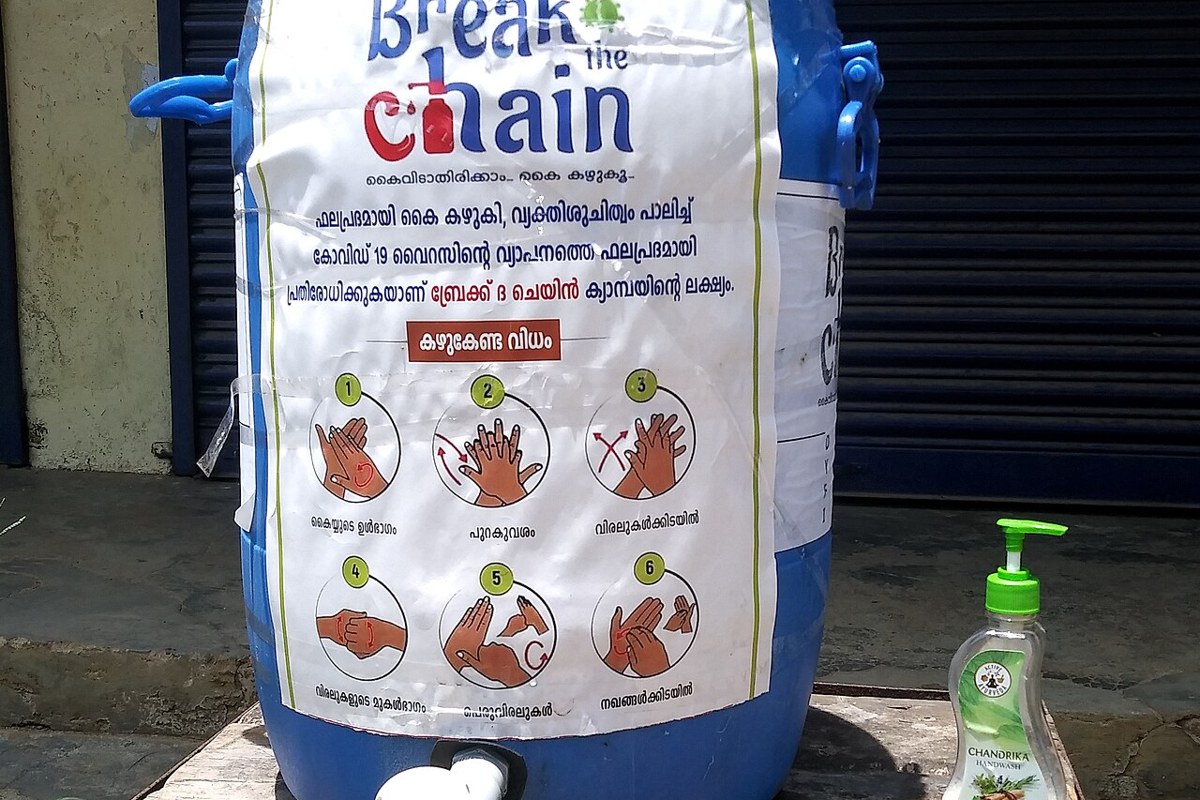
In plain words, the cycle goes like this: an infected person has bacteria in their stool, the bacteria reach food or water through poor sanitation or unwashed hands, and someone else eats or drinks it. Every part of that chain can be broken with clean water, proper toilets, good handwashing and safe food handling.
Who is at higher risk
The Ministry of Health lists several risk factors: living in a place with poor sanitation and limited access to clean water, working in or traveling to areas where typhoid is common, being a child, having close contact with an infected person and consuming food or water contaminated with stool. The WHO says that typhoid risk is higher in populations that lack access to safe water and adequate sanitation, and that children are at the highest risk.
- People without reliable access to safe drinking water.
- People in places with limited sanitation.
- Children, who are at highest risk according to the WHO.
- Travelers to areas where typhoid is common.
- Close contacts of someone who is infected.
Why carriers matter
The WHO and the CDC both point out an important detail. Even when symptoms go away, a person may still carry the bacteria and can spread them to others through stool. The CDC says that if symptoms go away without treatment, a person might still carry the bacteria, and that it can spread to others or cause the illness to return. This is why doctors stress finishing treatment and, in some cases, testing to confirm that no bacteria remain.
It is also why food handlers matter. The WHO lists hygiene among food handlers as one of the effective ways to prevent typhoid. The NHS advises that anyone who has or thinks they may have typhoid should not prepare or serve food for other people.
Where in the world
According to the CDC, typhoid fever and paratyphoid fever are common in many countries with poor sanitation and unsafe water and food, including parts of South Asia, East Asia, Africa and Latin America. The NHS says typhoid is found in parts of Asia, Africa, and Central and South America. The WHO says that urbanization and climate change could raise the global burden over time. These are broad statements from the sources, and they do not name specific neighborhoods or cities, so for local risk in Indonesia, ask your local health office.
What you can do about it, in everyday life
Because the route is so clear, the habits are too. Drink water that is safe, cook food well, wash your hands with soap and keep kitchens clean. The WHO notes that increasing resistance to antibiotics makes it easier for typhoid to spread in communities that lack safe drinking water or adequate sanitation, which is another reason to protect the basics. None of this replaces medical care, but it lowers the chance that you will need it.
If you eat out often, choose places that cook food fresh and serve it hot, and where the kitchen looks clean. If you are in a new place and are not sure of the water, ask for bottled or boiled water. Our Batam local food guide has some practical thoughts on eating well while traveling.
One more habit is worth building at home: keep drinking water covered and use clean containers. Households where children play near open drains or share unclean water containers can have more risk, so teach children to wash hands before meals and after the toilet. Small habits like these protect the whole family.
Symptoms and When to See a Doctor
Tipes does not usually arrive with a bang. It often creeps in, with a fever that rises slowly and refuses to leave. Here is what the official sources say.
The main signs
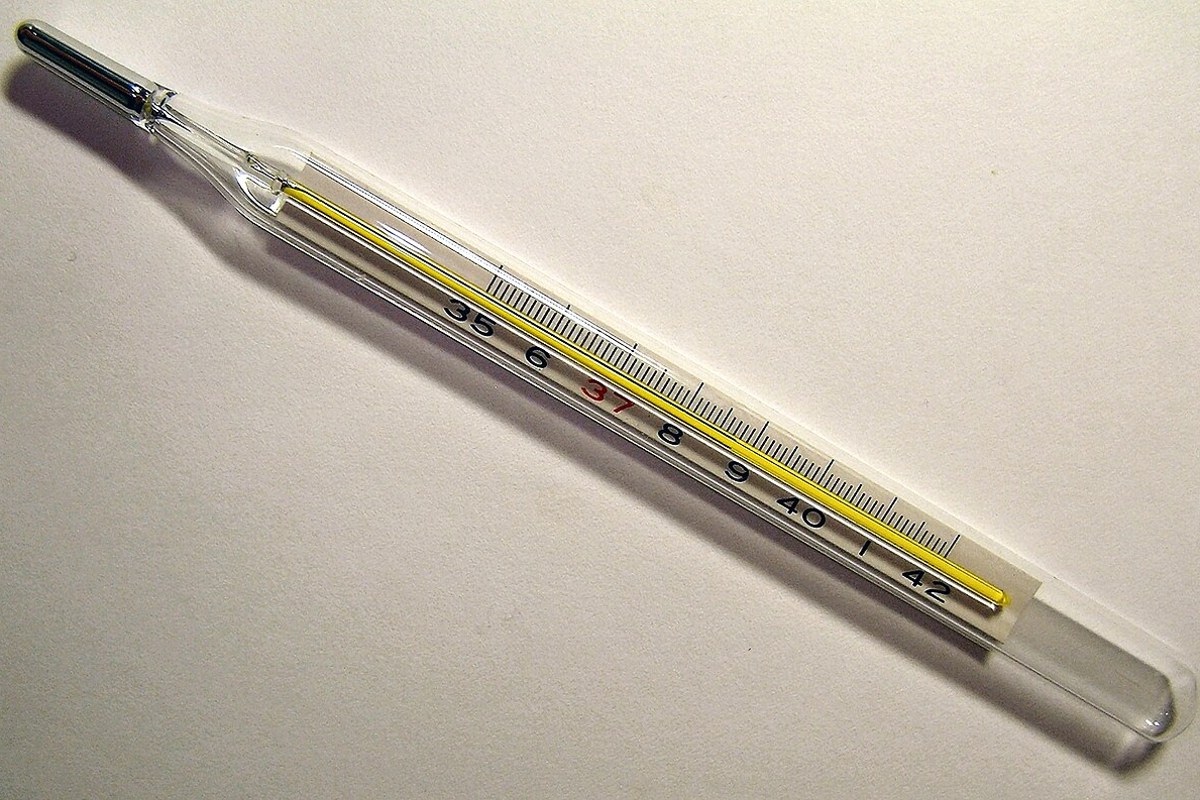
The CDC page on typhoid symptoms says fever is common, and that it can be as high as 103 to 104 degrees Fahrenheit (39 to 40 degrees Celsius) and usually lasts more than 3 days. Other symptoms can include weakness, stomach pain, headache, constipation or diarrhea, cough and loss of appetite. Some people get a rash of flat, rose-colored spots.
The Indonesian Ministry of Health lists similar signs: a fever that lasts more than a week and does not respond to fever-reducing medicine, which may rise gradually each day and last up to 3 weeks if untreated, along with extreme tiredness, headache, joint and muscle pain, a bloated or painful stomach, diarrhea or difficulty passing stool, nausea and vomiting, cough, weight or appetite loss and restlessness.
| Sign | Mentioned by |
|---|---|
| Fever, often more than 3 days | CDC |
| Fever that lasts over a week and does not respond to fever medicine | Ministry of Health |
| Headache and tiredness | WHO, CDC, Ministry of Health |
| Stomach pain, constipation or diarrhea | WHO, CDC, Ministry of Health |
| Rash of rose-colored spots in some people | WHO, CDC |
| Cough | CDC, NHS, Ministry of Health |
How long until symptoms appear
The NHS says symptoms of typhoid fever usually begin within 3 weeks of being infected, but sometimes take up to 6 weeks. The Indonesian Ministry of Health gives an incubation period of about 3 to 60 days. So a person may feel well for a while after being exposed, which makes it hard to trace the source.
When to see a doctor
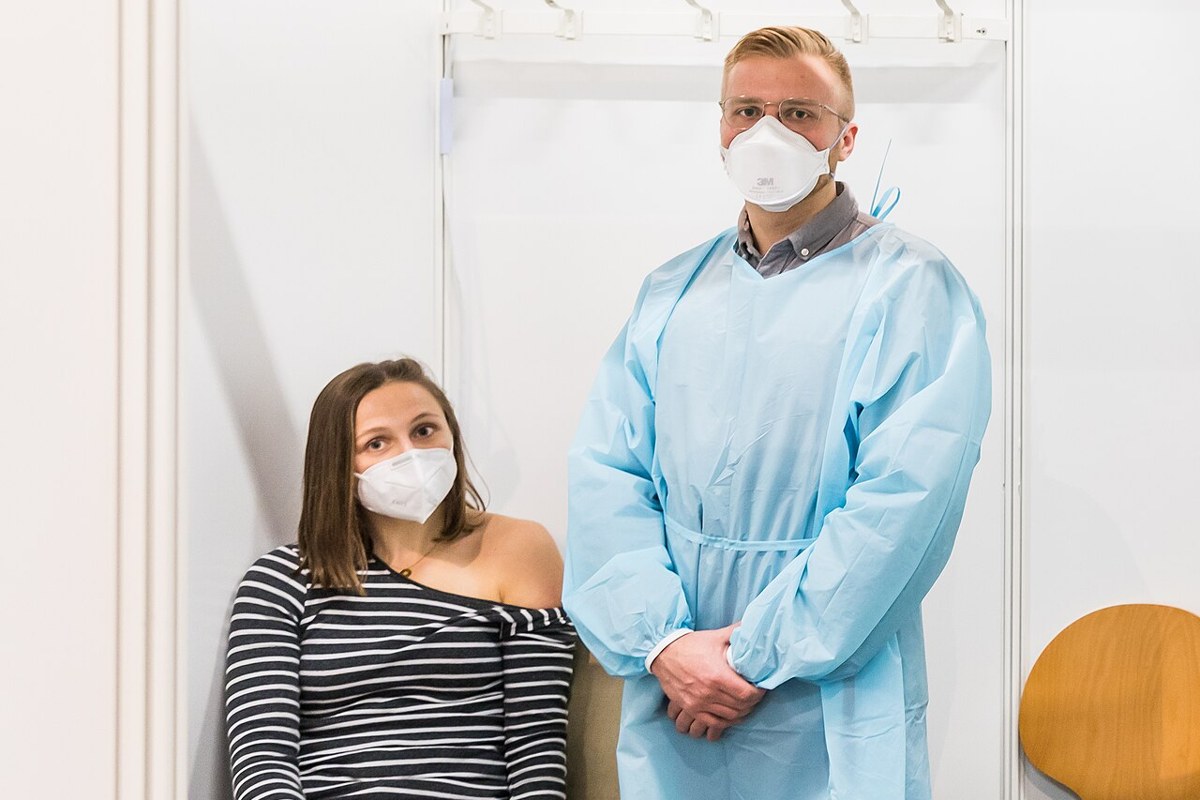
The CDC is direct: people with symptoms should get medical help immediately, and you should see a doctor if you have a fever and feel very ill. The Indonesian Ministry of Health says that if someone is suspected of having typhoid, they should see a doctor right away. A general practitioner can see adults, and children can be seen by a pediatrician.
Do not wait, and do not guess. A fever that lasts, with stomach pain or severe tiredness, is a reason to be checked, whatever the cause. A doctor can examine you, ask about your recent food, water and travel and decide which tests are needed.
How doctors check for it
According to the Ministry of Health, diagnosis involves a medical interview about symptoms and risk factors, a physical exam, and tests. It lists the Widal test, which looks for antibodies in the blood, a test for IgG and IgM antibodies against Salmonella Typhi, and blood culture and PCR tests, which it describes as more definitive and usually used for more complex cases. The WHO says typhoid can be confirmed through blood testing. Which test is right for you is a medical decision, so talk to your doctor.
What not to do
- Do not start leftover antibiotics or buy them without a prescription.
- Do not rely on social media diagnoses.
- Do not delay care because the fever comes and goes.
- Do not share cups, plates or food with others while ill, and wash hands carefully.
These are general safety points consistent with the official advice to seek care and to take medicines only as prescribed.
Parents often ask how to tell tipes from an ordinary viral fever. The honest answer is that you cannot reliably tell at home. Many illnesses cause fever, headache and tiredness, and the official sources describe typhoid symptoms that overlap with other conditions. What stands out is the pattern, a fever that lasts for days or more than a week, together with stomach symptoms, and the history, such as recent travel or eating food from an unclear source. Share those details with your doctor. Writing a short timeline of when the fever started, what you ate and where you traveled makes the visit much more useful.
Diagnosis, Treatment and Complications
This section describes what the official sources say about treatment so that you know what to expect. It is not a guide to treating yourself. Only a doctor can decide the right plan.
Treatment is medical
The WHO says typhoid fever can be treated with antibiotics. The Indonesian Ministry of Health lists what treatment generally includes: enough rest, suitable nutrition, including fluids through a drip if the patient has trouble eating because of nausea and vomiting, antibiotics as advised by a doctor, chosen according to severity and the person’s sensitivity, fever-reducing medicine and medicine for other symptoms such as nausea, stomach pain and digestive problems.
The WHO adds that antibiotic resistance is common in some regions, so more complicated and expensive options may be needed. The CDC notes that some strains do not respond to most antibiotics used to treat the disease, and describes extensively drug-resistant typhoid in Pakistan as an example. This is one reason why a doctor, not a pharmacy shelf, should pick the antibiotic.
Finish what the doctor prescribed
The WHO lists three important actions for people being treated: take prescribed antibiotics for as long as the doctor prescribed, wash hands with soap and water after using the toilet and avoid preparing or serving food for others, and have the doctor test to make sure no bacteria remain in the body. These steps protect you and the people around you, because people can still carry the bacteria after symptoms fade.
Complications
The Indonesian Ministry of Health says that if not handled well, typhoid can cause serious complications in the digestive system, liver, heart and nervous system. Two common ones are internal bleeding in the digestive tract and a perforated intestine, which can spread infection to nearby tissue. Other complications it lists include hepatitis, gallbladder inflammation, heart muscle inflammation, shock, encephalopathy, pneumonia and anemia.
The CDC adds that without treatment the fever can last for weeks or months and that other health problems can develop and might lead to death. That is why early care matters. The point of these facts is not to scare you. It is to explain why doctors take a long fever seriously.
Home care and follow-up
Your doctor may advise rest, fluids and food, and will tell you when to come back. Follow that plan, ask questions and report new symptoms such as worsening stomach pain, bleeding, confusion or trouble breathing right away. Do not use online advice to change your treatment. If anyone in your household is ill, wash hands often, use separate towels and utensils if the doctor advises it and keep the kitchen clean.
Recovery takes time, and tiredness may last after the fever ends. Ask your doctor about a follow-up test and when it is safe to return to work, school or food preparation, especially if you handle food for others.
It is natural to worry about the cost and the time that treatment takes, so ask your doctor or the health facility about what is covered and what follow-up is needed. Health centers and hospitals can explain the process. Check with your own insurer or the facility for details, since coverage differs.
Support at home matters too. A person who is unwell needs rest, drinks and small, regular meals if the doctor allows them, and someone to watch for warning signs. Keep a simple log of temperature readings and symptoms to show the doctor at the next visit. If the person becomes much worse, call the doctor or go to the nearest emergency service without waiting.
Finally, remember that recovery is not just about the fever going down. The WHO and CDC both stress that people may still carry bacteria afterward, so follow-up testing and good hygiene protect the family. Be patient, follow your doctor’s plan and avoid returning to food preparation until the doctor says it is safe.
Preventing Tipes: Water, Food, Hygiene and Vaccines
Prevention is the best part of this story, because the steps are practical and mostly within reach. The sources agree on the basics.
Safe water and sanitation
The WHO says access to safe water and adequate sanitation, hygiene among food handlers and typhoid vaccination are all effective in preventing typhoid fever. The Indonesian Ministry of Health lists similar habits: avoiding areas with high infection levels, keeping the environment clean, avoiding unhygienic food, avoiding raw food, washing hands before eating and after using the toilet, and getting the recommended vaccination.
Safe food and drink habits
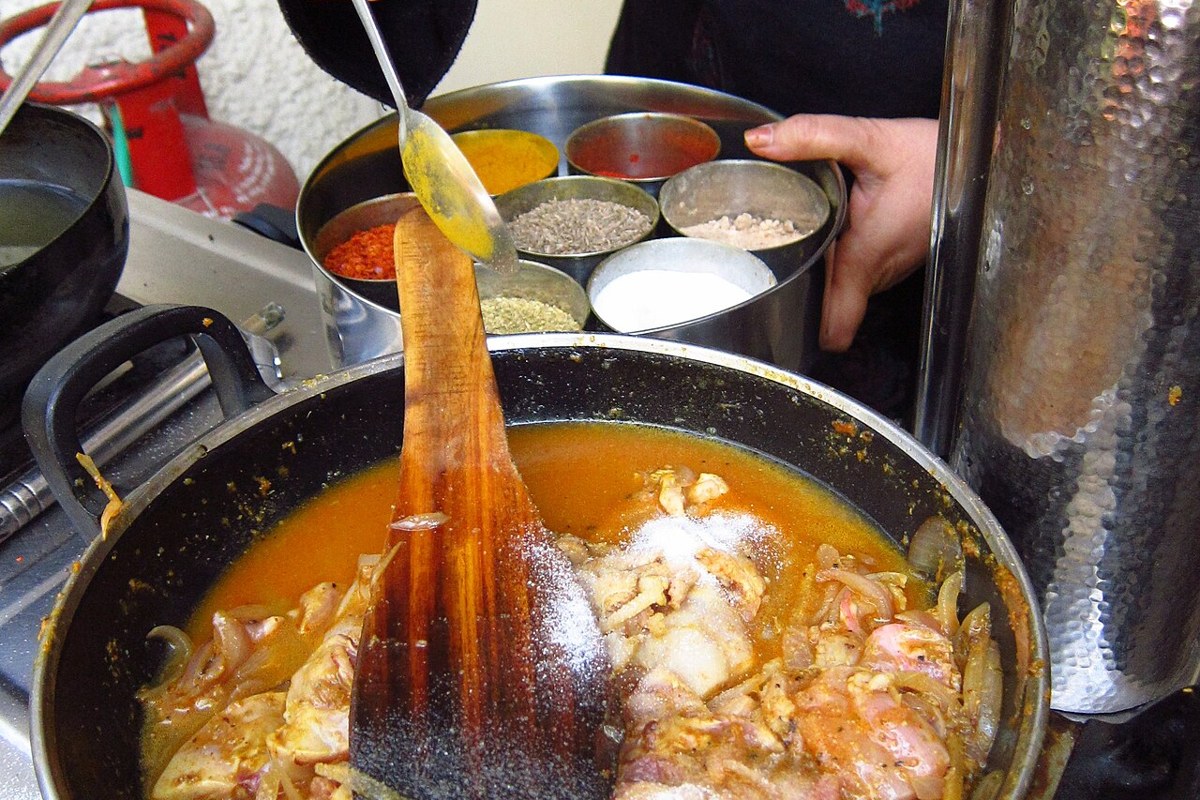
The WHO’s advice for travelers is a good everyday checklist. Make sure food is properly cooked and still hot when served, avoid raw milk and drink only pasteurized or boiled milk, avoid ice unless it is made from safe water, boil or disinfect drinking water when its safety is questionable, wash hands thoroughly and often with soap, and wash fruits and vegetables carefully, peeling them if possible. The NHS gives a similar do and do-not list, including using bottled or boiled water to brush teeth and avoiding salads or uncooked fruit and vegetables that you have not washed or peeled yourself.
- Eat food that has been freshly and thoroughly cooked and is served hot.
- Drink bottled or boiled water when you are unsure of the supply.
- Skip ice unless you know it is made from safe water.
- Wash hands with soap after the toilet and before eating or preparing food.
- Wash or peel fruit and vegetables.
- Avoid food left uncovered.
Vaccination
The WHO says the typhoid conjugate vaccine is recommended for children from 6 months of age and adults up to 45 or 65 years, depending on the vaccine, and is given as a single injection. Older vaccines exist and do not give lasting immunity, so boosters are needed. The WHO also says typhoid vaccination should be offered to travelers to destinations where the risk is high.
The CDC page on preventing typhoid fever says that people traveling to countries where typhoid is common should get vaccinated before the trip and should see a doctor or travel clinic at least 4 weeks before travel. It lists two vaccines available in the United States: an oral vaccine for people 6 years or older and an injectable vaccine for people 2 years or older, with different booster schedules. The NHS says the vaccine is free on the NHS for people traveling to high-risk areas, usually recommended for anyone over 1 year old, and lasts 3 years, and that there is still a chance of getting typhoid after vaccination, so hygiene still matters.
| Source | What it says about vaccines |
|---|---|
| WHO | Conjugate vaccine from 6 months, single injectable dose, longer-lasting protection than older vaccines |
| CDC | Get vaccinated before travel to high-risk areas, see a doctor 4 weeks ahead, boosters needed |
| NHS | Vaccine for travelers to high-risk areas, lasts 3 years, hygiene still matters |
Vaccine recommendations differ by country and change over time. In Indonesia, ask a doctor or your local health office which vaccine is available and whether it is right for you or your child. This article cannot tell you that.
A short family checklist
- Keep drinking water covered and use clean containers.
- Teach children to wash hands with soap.
- Cook food well and serve it hot.
- Store leftovers properly.
- Stay home from food preparation if you are ill.
- See a doctor for a fever that lasts.
Typhoid is serious, but it is also one of the illnesses where simple habits and vaccines make a real difference. Learn the basics, share them with your family and trust official sources over rumors.
Frequently Asked Questions
Is tipes the same as typhoid?
Yes. The Ministry of Health says typhoid fever is also known as tipes.
Is typhus the same thing?
No. The CDC explains that typhus fevers are caused by bacteria spread by fleas, lice and chiggers.
How does tipes spread?
Mainly through contaminated food or water, according to the WHO.
When should I see a doctor?
If you have a fever that lasts, or you feel very ill, the CDC says to get medical help immediately.
Final Thoughts
Tipes means typhoid fever, a serious bacterial infection that spreads through contaminated food and water, can be treated with antibiotics prescribed by a doctor and can be prevented with clean water, good hygiene and vaccination.
If you or a family member has a fever that will not go away, see a doctor today and share this guide with someone who is unsure what tipes means.