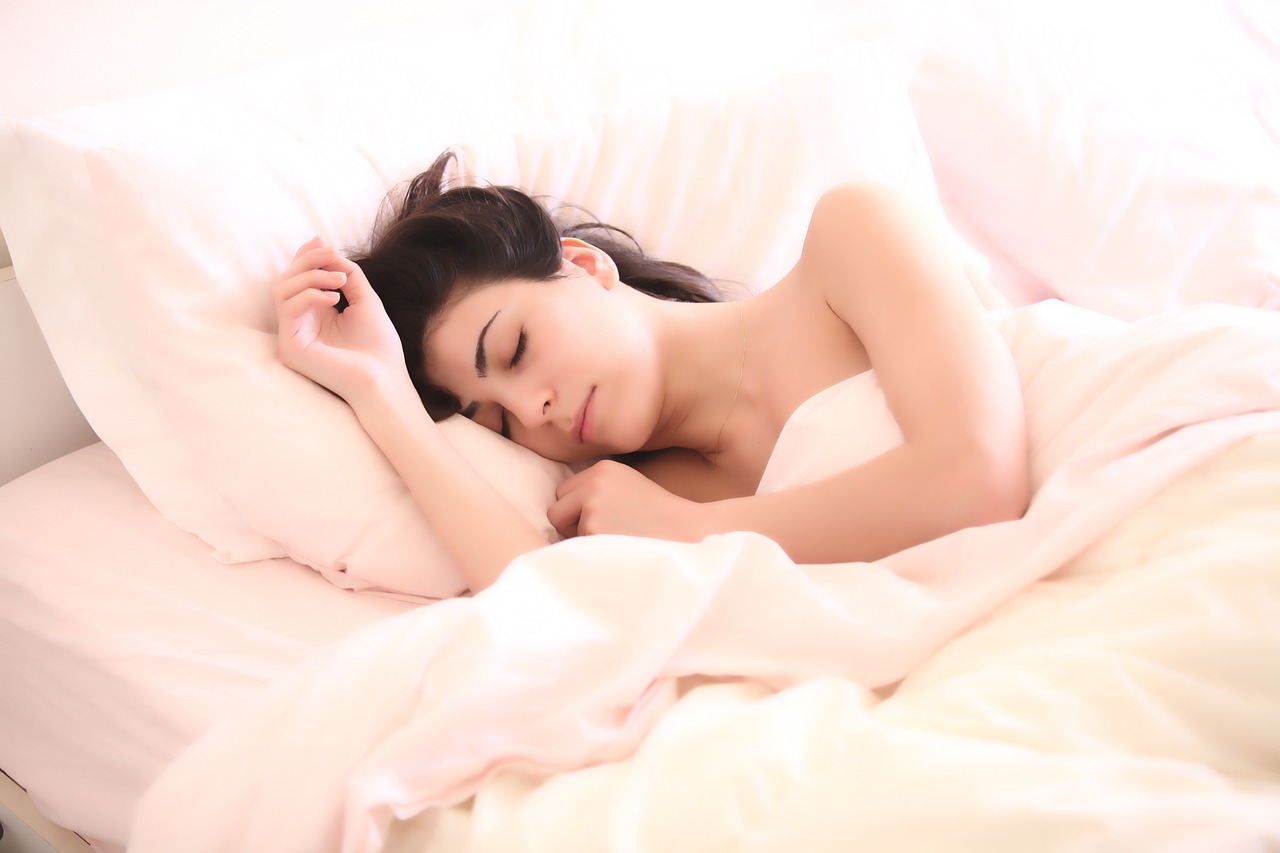

Blackout curtains, magnesium, a cooling pillow, a white noise machine, a sleep tracker and a strict wind-down routine. Put them all together and you get sleepmaxxing, the TikTok-born habit of squeezing every drop of quality out of your night.
It is everywhere. Nurtavia reports searches for sleepmaxxing up about 307% year over year in 2026. That is a third-party estimate, but the survey data agrees on the direction. The American Academy of Sleep Medicine found in a 2025 survey that 56% of US adults had tried at least one viral sleep trend, and 12% had tried sleepmaxxing itself.
Some of it is smart. Some of it is hype. This guide separates the two so you can build a better night without wasting money or taking risks.
Key Takeaways:
- Sleepmaxxing means stacking habits, products and routines to improve sleep quality.
- The basics win. The AASM says a consistent schedule, a cool, comfortable room and at least seven hours matter most.
- Gadgets are optional. Habits come first.
- Mouth taping is risky and weakly supported. Skip it, and talk to a clinician if you snore or wake gasping.
- Trends can distract. If sleep problems last, see a healthcare provider.
What Is Sleepmaxxing?
Sleepmaxxing is a social media term for doing everything you can to optimise your sleep. The AASM describes it as investing in products and strategies to improve sleep quality. In practice it ranges from sensible (a dark, cool bedroom) to extreme (taping your mouth shut).
A typical routine might include:
- A fixed bedtime and wake time.
- Blackout curtains or an eye mask.
- A cool room and breathable bedding.
- A white or pink noise machine.
- No screens before bed.
- A wearable to track sleep.
- Supplements such as magnesium.
What Actually Works
The unglamorous habits have the best backing. The CDC lists these as habits that can improve sleep:
- Going to bed and getting up at the same time every day.
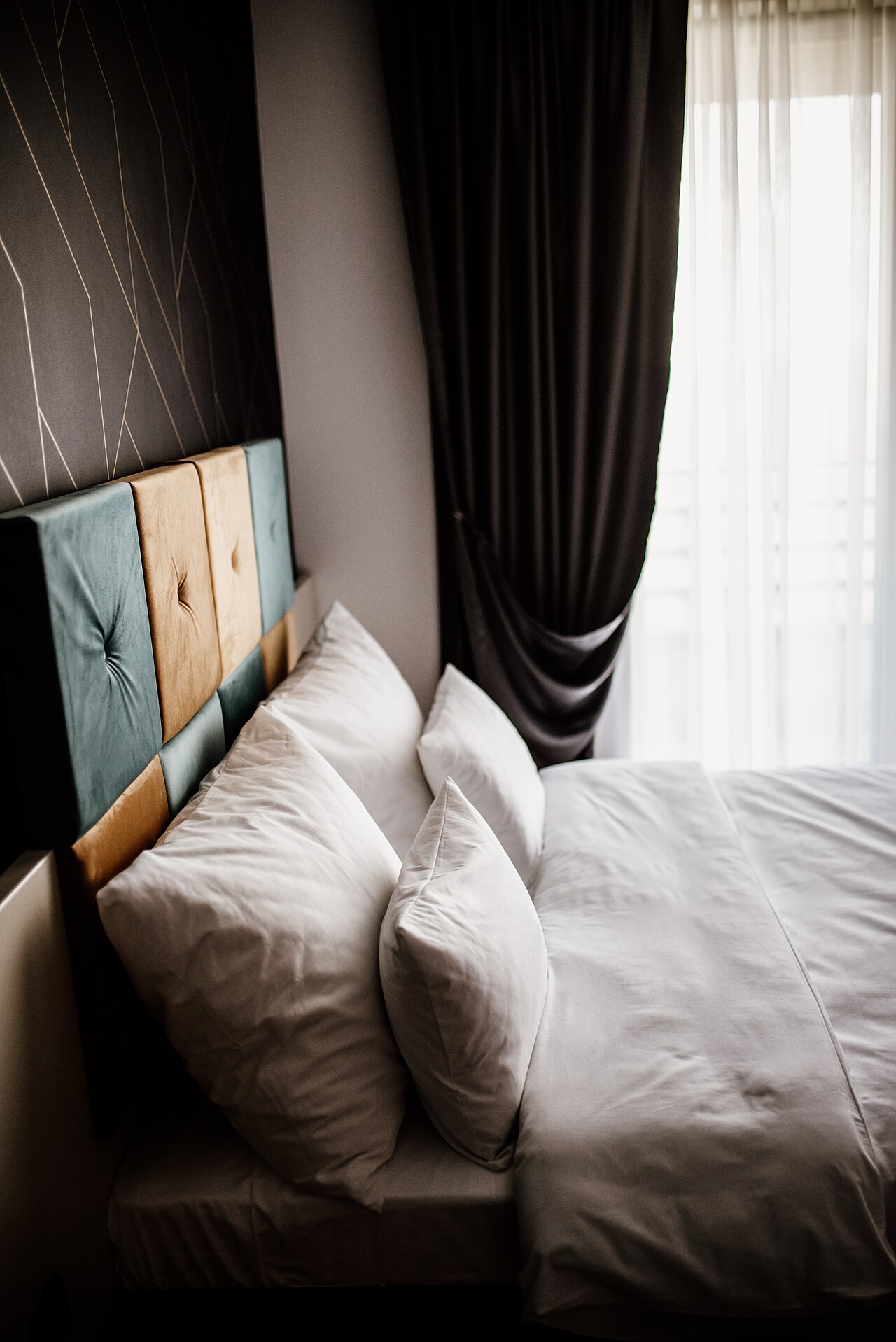
- Keeping your bedroom quiet, relaxing and at a cool temperature.
- Turning off electronic devices at least 30 minutes before bedtime.
- Avoiding large meals and alcohol before bedtime.
- Avoiding caffeine in the afternoon or evening.
- Exercising regularly and keeping a healthy diet.
The CDC also says adults aged 18 to 60 need seven or more hours of sleep a night. If you are not near that number, no gadget will fix it.
A Simple Sleepmaxxing Routine
- Pick a wake time. Keep it within an hour, even on weekends.
- Set a wind-down alarm. Thirty to sixty minutes before bed, dim the lights and put screens away.
- Cool and darken the room. Think comfortable, not cold.
- Cut late caffeine. Aim for none in the afternoon or evening.
- Keep the bed for sleep. Read or relax elsewhere if you can.
- Review after two weeks. If you feel better, keep going. If not, change one thing at a time.
Products: Helpful, Optional or Skip
| Item | Verdict | Why |
|---|---|---|
| Blackout curtains or eye mask | Helpful | Cheap and easy way to block light |
| Comfortable pillow and bedding | Helpful | Comfort affects how easily you settle |
| White noise machine | Optional | Useful in noisy places, a matter of taste |
| Sleep tracker | Optional | Can show patterns, but can also add worry |
| Magnesium | Ask first | AASM notes little research on it for insomnia |
| Mouth tape | Skip | Weak evidence and safety concerns |
A note on magnesium: the AASM reports that 19% of US adults used it for sleep in 2025, up from 9% in 2024, yet there is little research on magnesium supplements for insomnia and other sleep disorders. Talk to your pharmacist or doctor before starting any supplement.
The Trends to Be Careful With
Mouth taping
About 7% of US adults in the AASM survey said they had tried it. The evidence is thin. Roon summarises a 2025 systematic review in PLOS One of 10 studies and 213 participants: only two showed improved sleep apnea markers, several flagged a risk of asphyxiation if the nose is partly blocked, and all were rated poor quality. That is a retail brand’s summary, so read the original review if you want details. If you snore, wake gasping or suspect sleep apnea, see a clinician rather than reaching for tape.
Bed rotting
The AASM warns that staying in bed for long stretches for things other than sleep may hurt sleep health and possibly mental health. Use your bed for sleep.
Over-tracking
Watching a score every morning can turn into pressure. If a tracker makes you anxious, take a break from it.
When to See a Doctor
The CDC notes that signs of poor sleep quality include trouble falling asleep, waking repeatedly and feeling tired even after enough hours. If that sounds like you for weeks, talk to a healthcare provider. Sleep disorders such as insomnia and sleep apnea need proper care, not another hack.
Frequently Asked Questions
Is sleepmaxxing worth it?
The habit part is. A steady schedule, a cool dark room and fewer late screens are free or cheap. The pricey gadgets are optional.
How many hours of sleep do I need?
The CDC says adults aged 18 to 60 need seven or more hours. Older adults need 7 to 9 hours (ages 61 to 64) or 7 to 8 hours (65 and up).
Does magnesium help me sleep?
Evidence is limited, according to the AASM. Ask a healthcare professional first, especially if you take other medicines.
How long until I notice a difference?
Give a new routine about two weeks and change one thing at a time. That makes it easier to see what helps.
Final Thoughts
Sleepmaxxing is a catchy name for a very old idea: sleep better by living better. Start with schedule, light, temperature and caffeine. Add gadgets later, if at all. Skip anything that seems risky, and see a doctor if problems stick around. Tonight, try just one change. That is a better start than a shopping cart full of sleep gear.