

Walking is easy. That is its charm and its problem. Most of us stroll at the same lazy pace for years and wonder why nothing changes.
Japanese walking fixes that with one simple twist: you switch speed. Three minutes fast, three minutes slow, repeat. No gym, no app and no fancy gear. Search interest has exploded too. Nurtavia reports searches for the term climbing from about 260 to 14,800 a month between October 2024 and June 2025. That is a third-party estimate, but the trend is clear.
So does it work, or is it just another viral fad? Here is what the research says, how to do it step by step, and who should check with a doctor first.
Key Takeaways:
- Japanese walking is interval walking training: 3 minutes of brisk walking, then 3 minutes of easy walking, repeated.
- It was developed by Professor Hiroshi Nose at Shinshu University in Japan and has been studied for about two decades.
- Researchers describe the brisk phase as hard enough that you are nearly out of breath, around 70% of your peak aerobic capacity.
- You need no equipment. Comfortable shoes and a timer are enough.
- Check with a doctor first if you have heart disease, joint problems or other health concerns.
What Is Japanese Walking?
Japanese walking is the popular name for interval walking training, or IWT. The method alternates fast and slow walking in a steady cycle. It was developed by Hiroshi Nose, a professor at Shinshu University Graduate School of Medicine. Shinshu University describes it as walking briskly for three minutes until you are out of breath, then walking slowly for three minutes, and repeating.
Think of it as the walking version of interval training. You push, you recover, you push again. Your heart and legs get a real workout, but the slow phases keep it manageable.
What Does the Research Say?
The idea is not new. Nearly twenty years ago, a team led by Hiroshi Nose published a Mayo Clinic Proceedings study on middle-aged and older people. As The Washington Post summarised it, those who did high-intensity interval walking had lower blood pressure, stronger thigh muscles and better aerobic capacity than walkers of the same age who kept a moderate, steady pace.
More recent work points the same way. Shinshu University reports that five sets of interval walking a day, on at least four days a week for five months, can improve physical fitness by up to 20%. In a study of 234 postmenopausal women following that routine, bone mineral density rose in women who started with low density. It did not change in those who started with high density.
Be realistic about what this tells you. Much of the research comes from one research group in Japan, and many participants were middle-aged or older. It shows promise. It is not a miracle cure.
How to Do Japanese Walking, Step by Step
- Warm up. Walk at an easy pace for about 3 to 5 minutes.
- Go brisk for 3 minutes. Walk faster than normal. You should be breathing hard and find a full conversation tough. Stand tall and swing your arms.
- Slow down for 3 minutes. Walk gently and let your breathing settle.
- Repeat. Do five sets (30 minutes in total) if you can. Beginners can start with two or three.
- Cool down. Finish with a few minutes of easy walking and light stretching.
Use your phone timer or a watch with interval alerts. Pick a flat, safe route so you can focus on pace instead of traffic.
A simple four-week ramp-up
| Week | Sets per day | Days per week |
|---|---|---|
| 1 | 2 sets | 3 days |
| 2 | 3 sets | 3 to 4 days |
| 3 | 4 sets | 4 days |
| 4 | 5 sets | 4 days |
This ramp-up is a sensible starting plan, not a prescription from the studies. Listen to your body and slow down if something hurts.
How Does It Compare With a Normal Walk?
| Steady walk | Japanese walking | |
|---|---|---|
| Pace | One comfortable speed | Alternates fast and slow |
| Effort | Low to moderate | Moderate to hard in the fast phase |
| Time | Any length | Often 30 minutes (5 sets) |
| Gear | Shoes | Shoes and a timer |
| Best for | Easy daily movement | Building fitness in a short time |
Both are good. A steady walk is better than sitting still. Intervals just add a bit more challenge when you have limited time.
Does It Meet the Weekly Activity Guidelines?
The CDC says adults need at least 150 minutes of moderate-intensity activity a week, such as 30 minutes a day, five days a week. It also recommends muscle-strengthening activity on at least two days. A 30-minute Japanese walking session on five days would cover the time target, but it does not replace strength work. Add some squats, calf raises or resistance exercises on two other days.
What to Wear and Bring
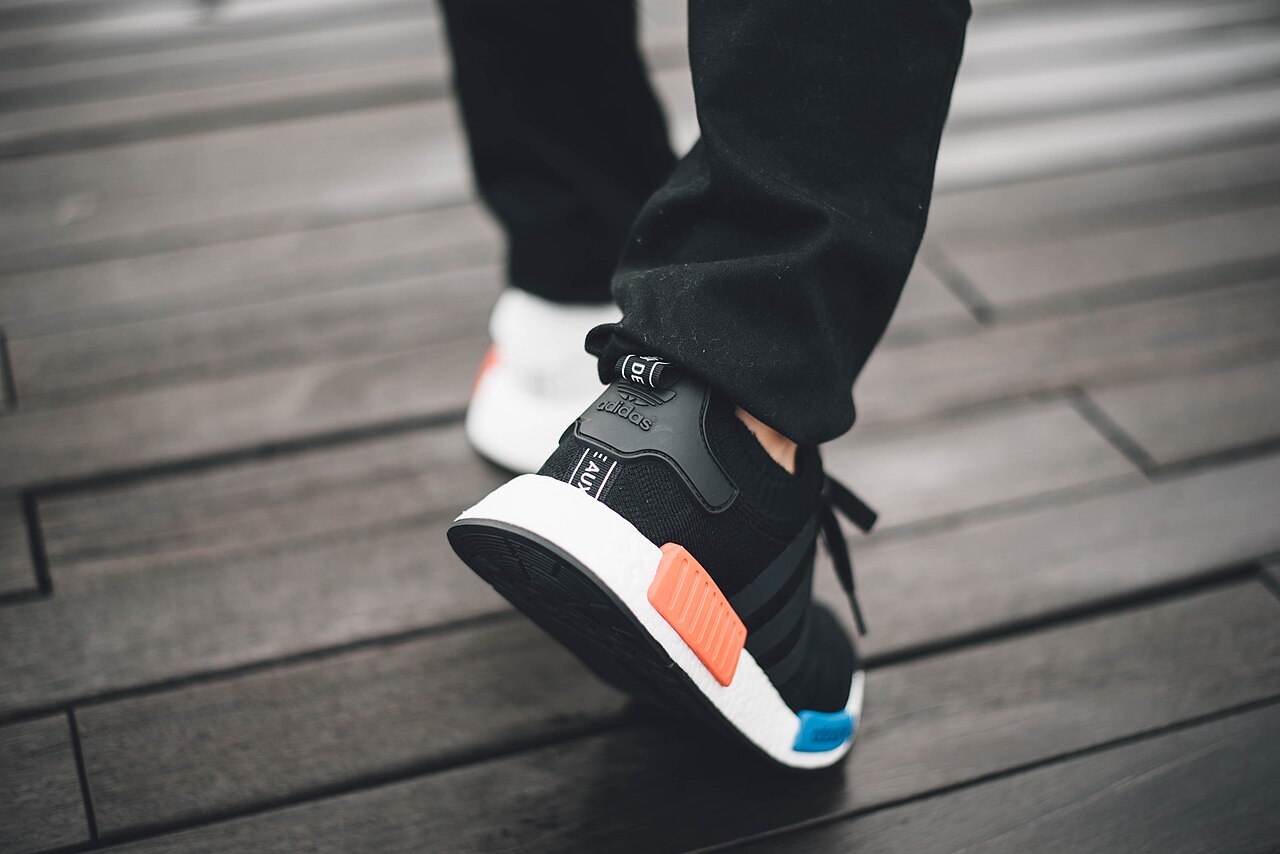
- Supportive walking shoes. Cushioning and a snug heel make a big difference over 30 minutes.
- Breathable layers. You will warm up fast in the brisk phases.
- A timer or watch. Any basic stopwatch works.
- Water. Especially on warm days.
- Headphones (optional). Many people like a playlist with tempo changes. Keep volume low enough to hear traffic.
Who Should Be Careful?
Brisk walking is gentle compared with running, but intervals still raise your heart rate. Talk to a doctor before you start if you:
- Have heart or lung conditions, or high blood pressure that is not controlled.
- Have knee, hip or foot pain, or balance problems.
- Are pregnant or recovering from an injury or surgery.
- Have been inactive for a long time.
Stop and get help if you feel chest pain, dizziness or unusual shortness of breath.
Common Mistakes
- Going too fast, too soon. Brisk does not mean sprinting. Aim for hard but steady.
- Skipping the slow phases. Recovery is part of the method.
- Slouching. Keep your chest up and your steps smooth.
- Expecting overnight results. The studies measured changes over months, not days.
- Doing it once and quitting. Consistency is where the benefit lives.
Frequently Asked Questions
Is Japanese walking good for beginners?
Yes, if you scale it. Start with two sets and a pace that makes you breathe harder, not gasp. Build up over a few weeks.
How often should I do it?
The research cited above used at least four days a week. Start with three if that feels better and add a day when it gets easy.
Can I do it on a treadmill?
Yes. Use the speed control for the fast and slow phases and keep the incline modest.
Will it help me lose weight?
The studies cited here looked at fitness, blood pressure, muscle strength and bone density, not weight loss. Any extra activity can help with energy balance, but results vary from person to person.
Final Thoughts
Japanese walking works because it is simple. Three minutes fast, three minutes slow, a timer and a pair of shoes. The research is encouraging, though it is not a cure-all. Try it for a month, build up gently and see how you feel. If you want the full picture, pair it with strength work and a doctor’s advice where needed. Your future self will thank you.