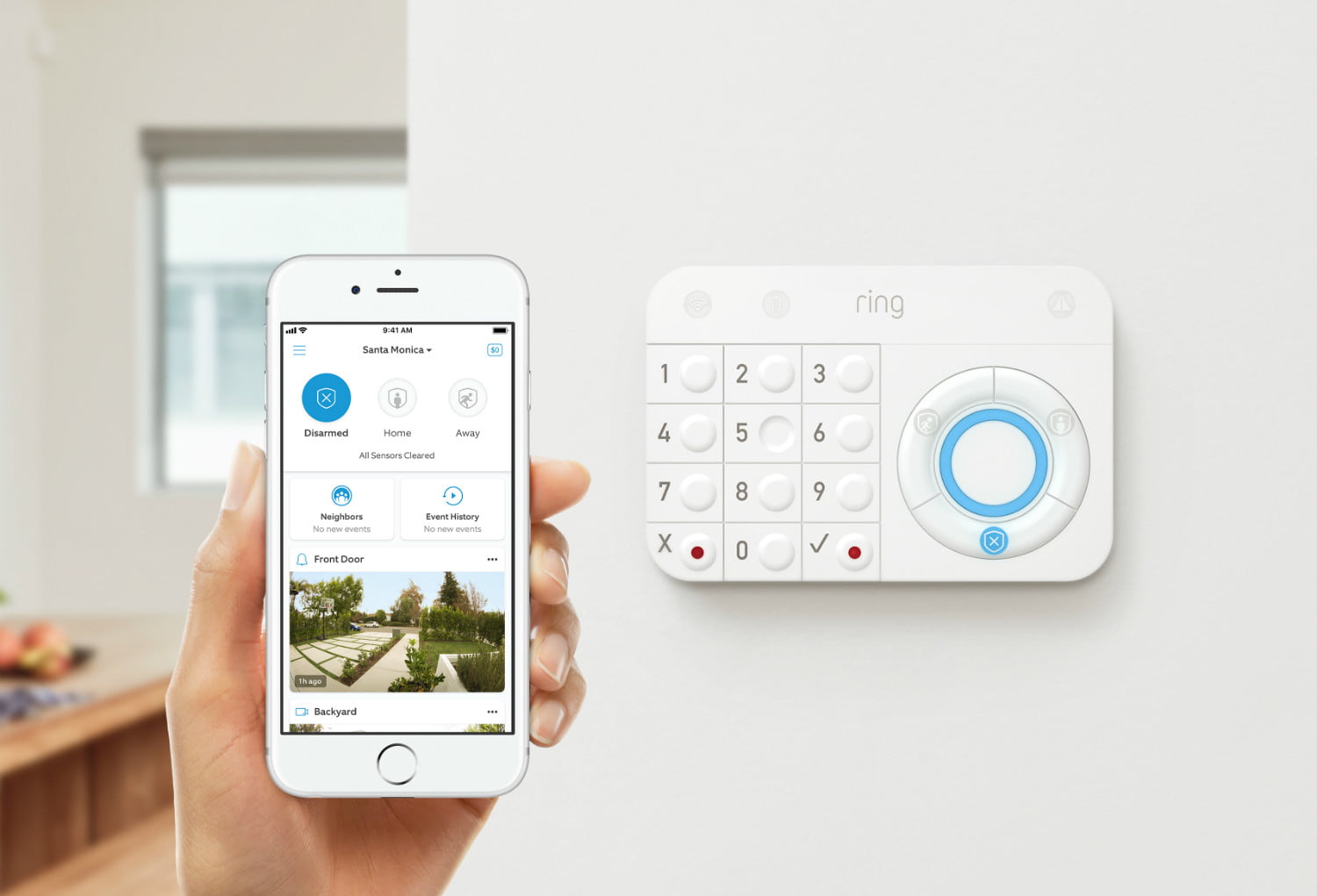
A smart ring is a fitness tracker with no screen, no strap and no buzzing notifications. It just sits on your finger and watches your sleep, heart rate and activity while you get on with your life.
People are curious. Nurtavia reports searches for Oura up 110%, WHOOP up 83% and smart rings in general up 67%, citing Glimpse data. Those are third-party estimates, but the interest is real.
So should you buy one? This guide explains how smart rings work, what the research says about their accuracy, what to compare, and who is better off with a regular watch.
Key Takeaways:
- A smart ring tracks sleep, heart rate and activity from your finger.
- Sleep tracking is where rings shine. Research is promising, but they are not medical devices.
- Check subscription fees before you buy. Some brands lock features behind a membership.
- Compatibility matters. Some rings only work well with Android or iPhone.
- If you want a screen, GPS or calls, a smartwatch is still the better tool.
What Is a Smart Ring?
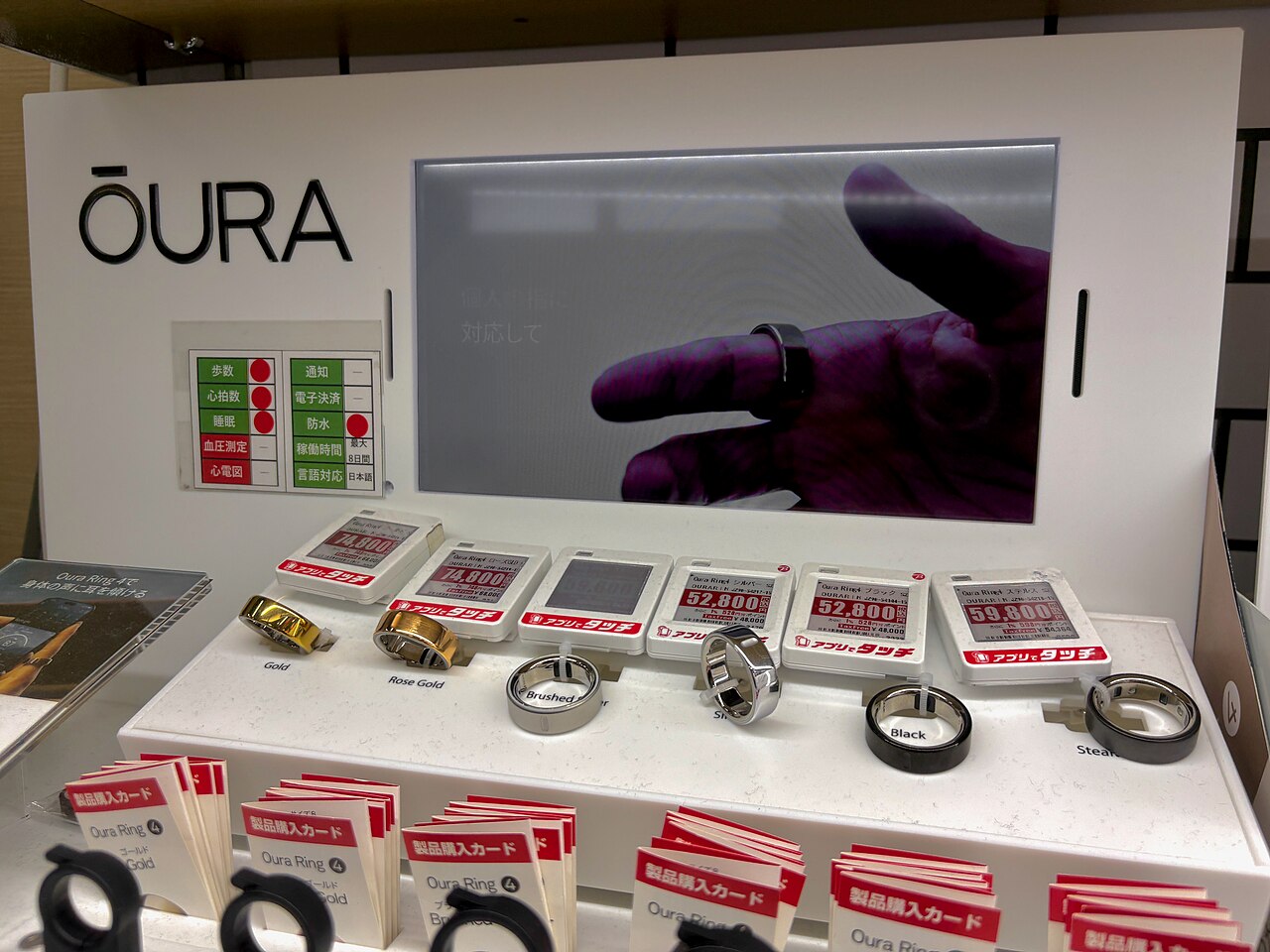
It is a wearable ring packed with sensors, a tiny battery and a Bluetooth chip. It syncs with a phone app that turns raw readings into scores and trends. Most rings track sleep stages, resting heart rate and movement. Some add temperature trends and workout detection.
How Accurate Are Smart Rings?
Good news first. Independent researchers have tested the best-known ring, Oura, against sleep lab gold standards.
- In a sleep lab study of 35 adults at Brigham and Women’s Hospital, the Oura Ring Gen3, Fitbit Sense 2 and Apple Watch Series 8 were compared against polysomnography. For telling sleep from wake, all three had sensitivity of 95% or higher. For sleep stages, Oura’s sensitivity was about 76 to 80%.
- A 2025 systematic review and meta-analysis of six studies (388 participants) found no statistically significant difference between Oura and sleep lab measures for total sleep time, sleep efficiency, wake after sleep onset and sleep stages.
Now the limits. These studies involved mostly healthy adults, and they tested one brand. Other rings may differ. Rings are wellness tools, not diagnostic devices. If you suspect sleep apnea or another condition, see a doctor.
What to Compare Before You Buy
| Factor | Why it matters |
|---|---|
| Subscription | Some rings need a paid membership for full features. Oura says membership applies to Gen3 and newer rings, with the first month included at purchase. |
| Battery life | Makers claim roughly 4 to 8 days, depending on brand and use. DealHorn lists Oura at 5 to 8 days, Samsung up to 7 and Ultrahuman 4 to 6. Real life can be lower. |
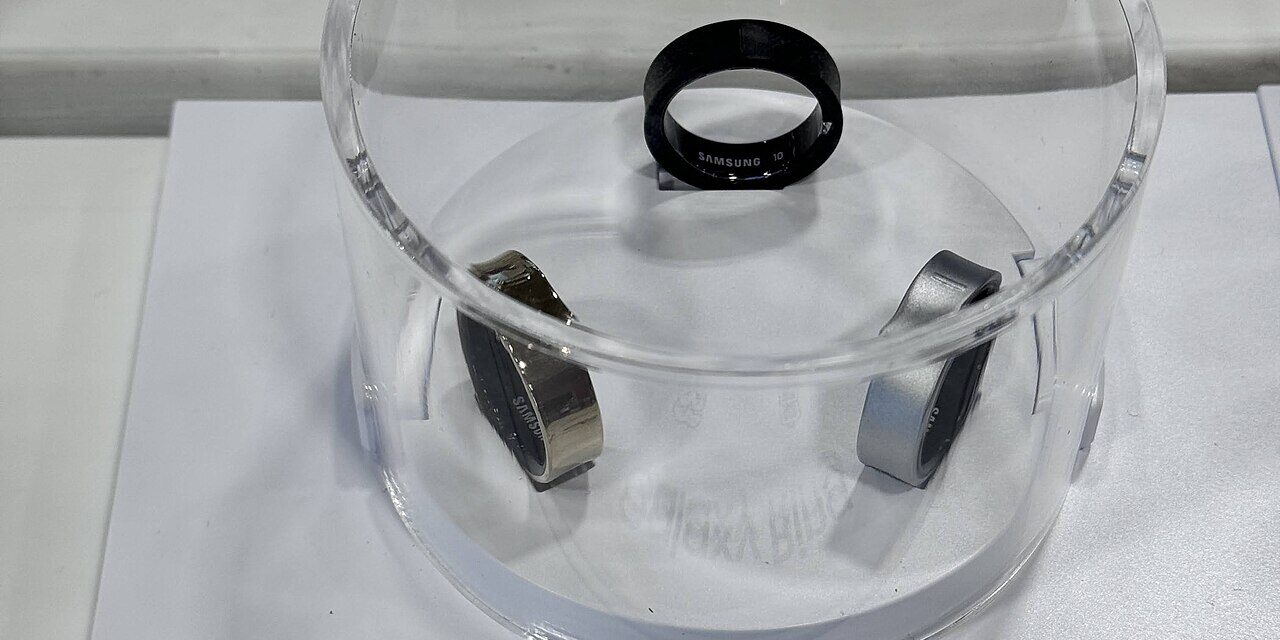
| Phone compatibility | Samsung rings need an Android phone. Check each maker before you buy. |
| Sizing | Most brands sell a sizing kit. Fit affects accuracy and comfort. |
| Water and wear | Look for water resistance and a build that handles daily knocks. |
| Data and privacy | Read what the app collects and how you can export or delete it. |
Prices change often, so check the maker’s own page on the day you buy.
The Popular Options
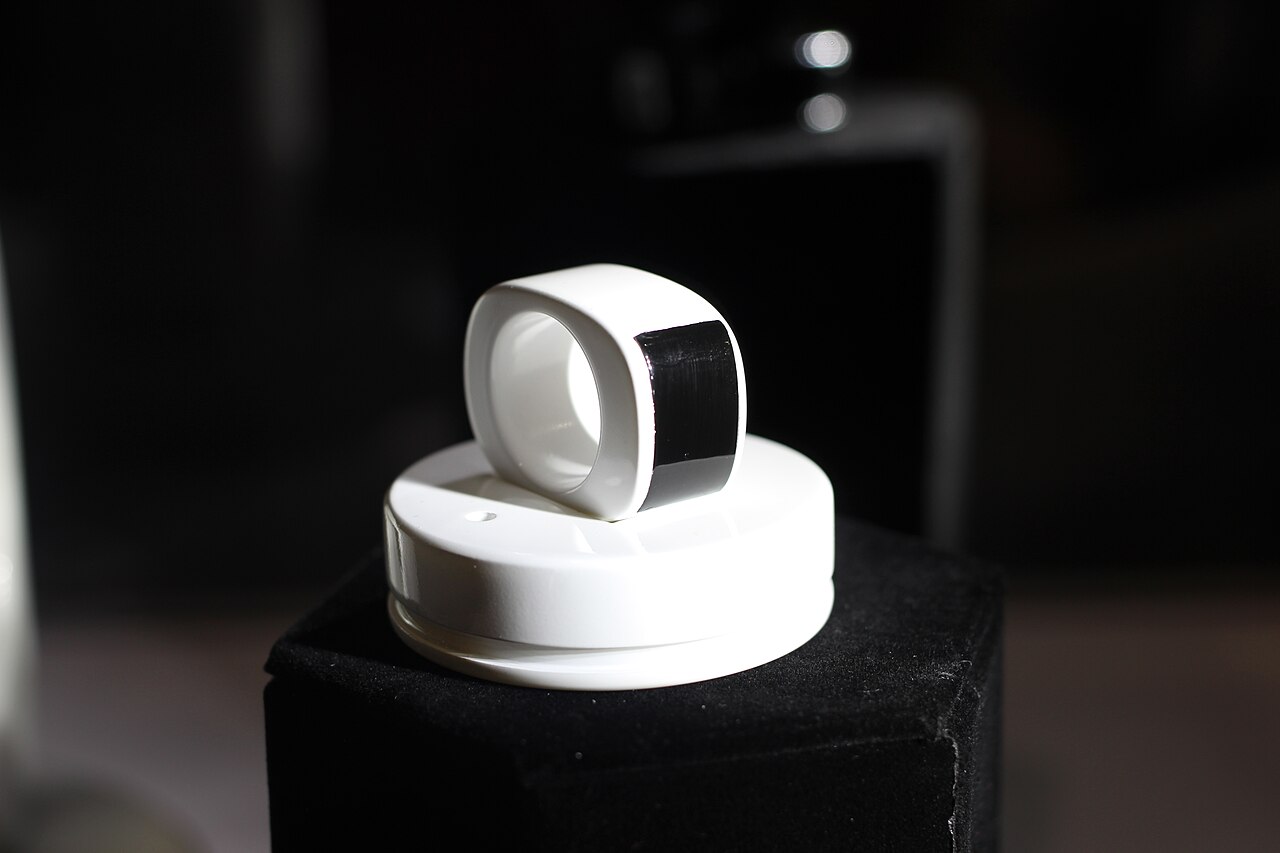
Four names come up most: Oura, Samsung Galaxy Ring, RingConn and Ultrahuman. A quick summary of how they differ, based on maker and review information:
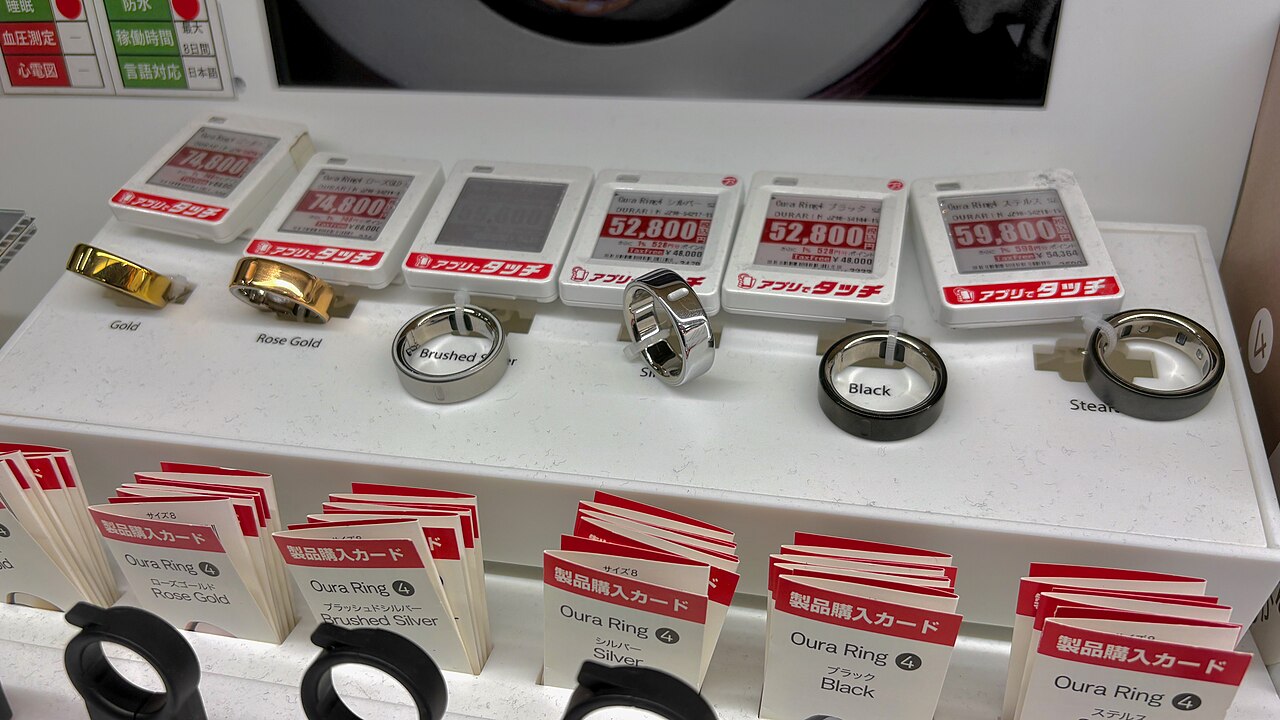
- Oura. The best-known brand, with the deepest independent research and a polished app. It uses a membership. It works with iPhone and Android.
- Samsung Galaxy Ring. Fits neatly into the Samsung Health ecosystem, and needs an Android phone.
- RingConn. Often chosen by buyers who want to avoid a subscription and want long battery life, according to DealHorn.
- Ultrahuman. Pitches a one-time purchase, with a shorter battery life range.
Models and features change quickly. Look at each maker’s current page before you decide.
Smart Ring or Smartwatch?
| Smart ring | Smartwatch | |
|---|---|---|
| Screen | None | Yes |
| Sleep comfort | Very light on the finger | Can feel bulky at night |
| Notifications and calls | No | Yes |
| GPS workouts | Limited | Usually built in |
| Battery | Days | Often 1 to 2 days, some longer |
| Best for | Sleep and recovery tracking | All-day features and workouts |
If your main goal is better sleep and recovery insight, a ring is a neat fit. If you want maps, music and messages on your wrist, stay with a watch.
Who Should Skip a Smart Ring?
- People who dislike wearing rings or have swollen fingers at times.
- Anyone who gets anxious about health scores. Numbers can add stress.
- Heavy lifters who worry about scratches or pressure on the finger. Take it off for gym sessions if needed.
- Anyone who wants a medical diagnosis. Rings do not replace a doctor.
Tips for Getting the Most From a Ring
- Wear it every night for two weeks. You need a baseline before the trends mean anything.
- Judge trends, not single scores. One bad night is normal.
- Keep the sensor side snug and clean.
- Pair it with good habits. A ring tracks sleep. It does not create it.
- Take a break if the data starts to stress you out.
Frequently Asked Questions
Do smart rings need a subscription?
Some do and some do not. Oura uses a membership. Others market a one-time purchase. Check the maker’s page before buying.
Are smart rings accurate?
For sleep and wake, research on Oura is encouraging. Accuracy for other brands and for health conditions is less clear. Treat the numbers as guidance, not a diagnosis.
Can I wear a smart ring while swimming or showering?
Many are water resistant, but ratings differ. Check your model’s rating.
Is a smart ring better than a smartwatch?
It depends on your goal. A ring is more comfortable for sleep. A watch has a screen and more features.
Final Thoughts
Smart rings have earned their buzz, mostly for sleep. The research on Oura looks solid for healthy adults, and the category keeps growing. Before you buy, compare subscription fees, phone compatibility, battery life and sizing. Then give it two weeks of honest use. If the data helps you sleep better, it was worth it. If not, you learned something about your habits at least.