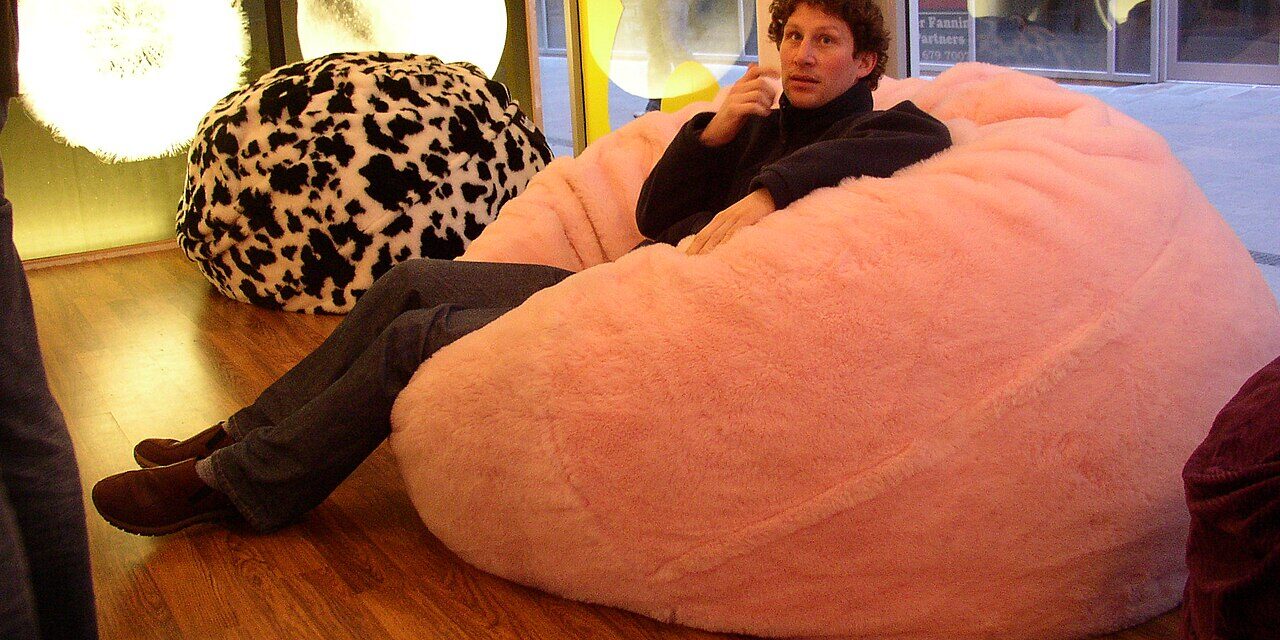
Picture a sofa with no legs, no hard arms and no visible frame. You do not so much sit on it as sink into it. That is the boneless couch, and in 2026 it is one of the most talked-about pieces of furniture online.
The numbers back that up. Rising Trends lists the boneless couch at about 301,000 monthly searches in the US, up 174% year over year. These are third-party estimates, but the direction is clear: a lot of people want to know what these couches are and whether they work in real homes.
This guide gives you the plain answer. You will learn what a boneless couch is, who it suits, who should skip it, and what to check before you buy. No hype, and no prices that will be out of date next week.
Key Takeaways:
- A boneless couch is a low, frame-free, modular sofa with deep, soft seating.
- It suits movie nights, lounging, small groups and flexible rooms. It is a poor match for people who find low seating hard to get out of.
- Measure first. Consumer Reports advises sofas under 80 inches wide for small living rooms and over 90 inches for generous ones.
- Getting up from the floor matters for health. Harvard Health reports on a 2025 study that links the ability to rise from the floor with longevity.
- Try before you buy where you can, and check the return policy.
What Is a Boneless Couch?
A boneless couch is a sofa with no rigid frame. Instead of wood or metal under the cushions, it is built from thick, dense cushion pieces that you stack, slide and rearrange. Rising Trends describes these as frame-free sofas made from condensed cushion materials that offer flexible, deep seating.
In daily life, that means a few things:
- Low to the floor. You sit close to the ground, which makes a room feel wider and more relaxed.
- Modular. Pieces move around. You can make a long sofa, an L-shape, a daybed or a lounge pad.
- Soft all over. There are no hard arms or edges, so it works for lounging, reading and napping.
- Easy to move. With no frame, many sets are simple to carry up stairs or fit through narrow doors.
Why Everyone Is Searching for It
Several things push this style forward at once.
- Homes do more jobs. The living room is now a cinema, an office, a play area and a guest room. A flexible sofa fits that mix.
- Social media loves it. Soft shapes and cloud-like looks photograph well, so the style spreads fast.
- Small spaces. Without a frame or bulky arms, a low sofa can make a compact room feel more open.
- Comfort first. Many people want to sink in and stretch out, not sit upright on a formal sofa.
A caution: a trend is not a reason to buy. A boneless couch is great for some homes and a bad fit for others. The next sections help you decide.
Who Should Buy a Boneless Couch
It is a good match if you:
- Watch films or play games in a relaxed, stretched-out position
- Have kids who like to build, jump and sprawl (check the fabric, see below)
- Host friends and want seating that can change shape
- Live in a rental and want furniture that is easy to move
- Like a low, casual look with a soft feel
Who Should Skip It
It may not suit you if you:
- Have bad knees, a sore back or mobility problems that make low seating hard
- Need an upright seat for working at a laptop all day
- Want a formal, structured look
- Have a dog or cat that scratches and you plan to choose a loose-weave fabric
Seat height matters more than most people expect. Harvard Health reports on a study of nearly 4,300 adults aged 46 to 75, which found that people who scored lowest on a floor sitting-rising test were far more likely to die over the 12-year follow-up than those who scored highest. The takeaway is not to avoid low furniture. It is to be honest about how easily you can get up from a low seat, and to choose accordingly.
Boneless Couch vs a Traditional Sofa
| Feature | Boneless couch | Traditional sofa |
|---|---|---|
| Height | Low, close to the floor | Standard seat height |
| Layout | Flexible, you can rearrange pieces | Fixed shape |
| Support | Soft and deep, less back support | Firmer, more upright support |
| Getting up | Harder for some people | Usually easier |
| Moving house | Often easy to carry | Heavier, bulky frame |
| Look | Casual and relaxed | Structured or formal |
Neither is better in every way. Pick the one that matches how you actually sit.
What to Check Before You Buy
1. Measure the room, then the doorway
Consumer Reports suggests sofas under 80 inches wide for small living rooms, and over 90 inches for large ones. A boneless set can be rearranged, but you still need floor space. Leave room to walk around it. Measure the door, hallway and stairs too, in case you have to carry it in.
2. Test the seat height and the depth
If you can, sit on one in a store. Notice how hard it is to stand up. Consumer Reports notes that a low, deep seat suits a relaxed position, while a higher, narrower seat favors an upright one. Decide which you want.
3. Check the cushion fill
Filling decides how a couch feels in year three. Wirecutter notes that the quality of the frame, suspension, cushioning and upholstery separates a sofa that lasts 10 to 20 years from one that starts to wobble. A boneless set has no frame, so cushioning and cover matter even more. Ask what the cushions are made of, whether they are dense enough to hold their shape, and whether the cover comes off. Be careful with listings that say little about the fill.
4. Pick a cover that matches your life
- Pets: choose a tight weave. Loops and loose textures snag on claws.
- Kids: look for removable, washable covers.
- Allergies: washable covers are easier to keep clean.
- Light colors: they look great and show every mark.
5. Look at how the pieces connect
Modular pieces can drift on a smooth floor. Check whether the set has connectors, grip bases or a rug to hold it in place.
6. Read the return policy
A large cushion item is often compressed for shipping. Ask how long it takes to expand, how to return it and who pays for return shipping. Do this before you click “buy.”
7. Look for real reviews
Search for reviews with photos from buyers, ideally after several months. A couch that looks good on day one can flatten later. Look for comments on sagging, smell and cover wear.
How to Style a Boneless Couch
- Add a rug. A large, low rug anchors the pieces and makes the area feel intentional.
- Keep side tables low. A small table at floor-sitting height holds a drink and a book.
- Use warm light. A floor lamp or soft wall light adds a cozy evening mood.
- Mix textures. A knit throw and a few cushions break up one big block of color.
- Leave breathing room. A low sofa looks best with open space around it.

Three Room Layouts That Work
- The movie corner. Place two or three large pieces in an L-shape facing the screen, with a rug underneath and a low table to the side.
- The reading nook. Use one deep piece against a wall near a window, add a floor lamp and a small shelf within reach.
- The guest bed. Slide the pieces into a flat row. Add a sheet and a blanket, and you have a quick place for a visitor to sleep.
Because the pieces move, you can try all three in the same room over a month. That flexibility is the real selling point.
Five Common Mistakes
- Buying for the photo. A couch in a styled shot may look different in a small room with ordinary light.
- Skipping the measurements. Check the room, the door and the path from the entrance.
- Ignoring the cover. A pale, loose weave looks lovely until the first spill.
- Forgetting who sits on it. If an older relative visits often, test how easily they can stand up.
- Not planning for cleaning. Ask if covers come off before you decide.
Try the Idea First (Cheap Alternatives)
Not sure you will like floor-level seating? Test the style before you spend on a full set:
- Floor cushions. Pile large cushions on a rug for a movie night and see how the family uses them.
- A low platform daybed. It gives a similar low look, with firmer support.
- A bean bag. It is soft, cheap and gives you a feel for sitting low.
If everyone ends up on the cushions after a few weeks, that is a good sign. If nobody uses them, you have saved yourself an expensive mistake.
Caring for a Boneless Couch
- Fluff and rotate. Shift pieces regularly so wear spreads out.
- Follow the care label. Some covers can go in the washing machine, others need spot cleaning only.
- Treat spills fast. Blot with a clean cloth. Do not rub.
- Keep it out of direct sun. Strong light fades fabric over time.
- Check for flattening. If seats lose shape fast, ask the seller about warranty options.
Frequently Asked Questions
Is a boneless couch comfortable for everyday use?
For many people, yes, especially for lounging and movie nights. If you need upright back support for long work sessions, a traditional sofa or a supportive chair is a better choice.
Is it good for small apartments?
It can be, because it is low and has no bulky arms. Measure carefully, though. A modular set still takes up floor space.
Is a boneless couch good for older adults?
Be careful. Low seating can be hard to get out of. If knees, hips or balance are a concern, choose a higher seat or ask a doctor or physical therapist.
How long does it last?
It depends on the fill and the cover. Look for dense fill, a removable cover and reviews from long-term owners. Ask about warranty terms before you buy.
Final Thoughts
The boneless couch is popular for good reasons: it is soft, flexible and relaxed. It is also not for everyone. Measure your room, be honest about how easily you can stand up from a low seat, test the idea cheaply if you can, and read the return policy. Do that, and you will know if this trend belongs in your home.